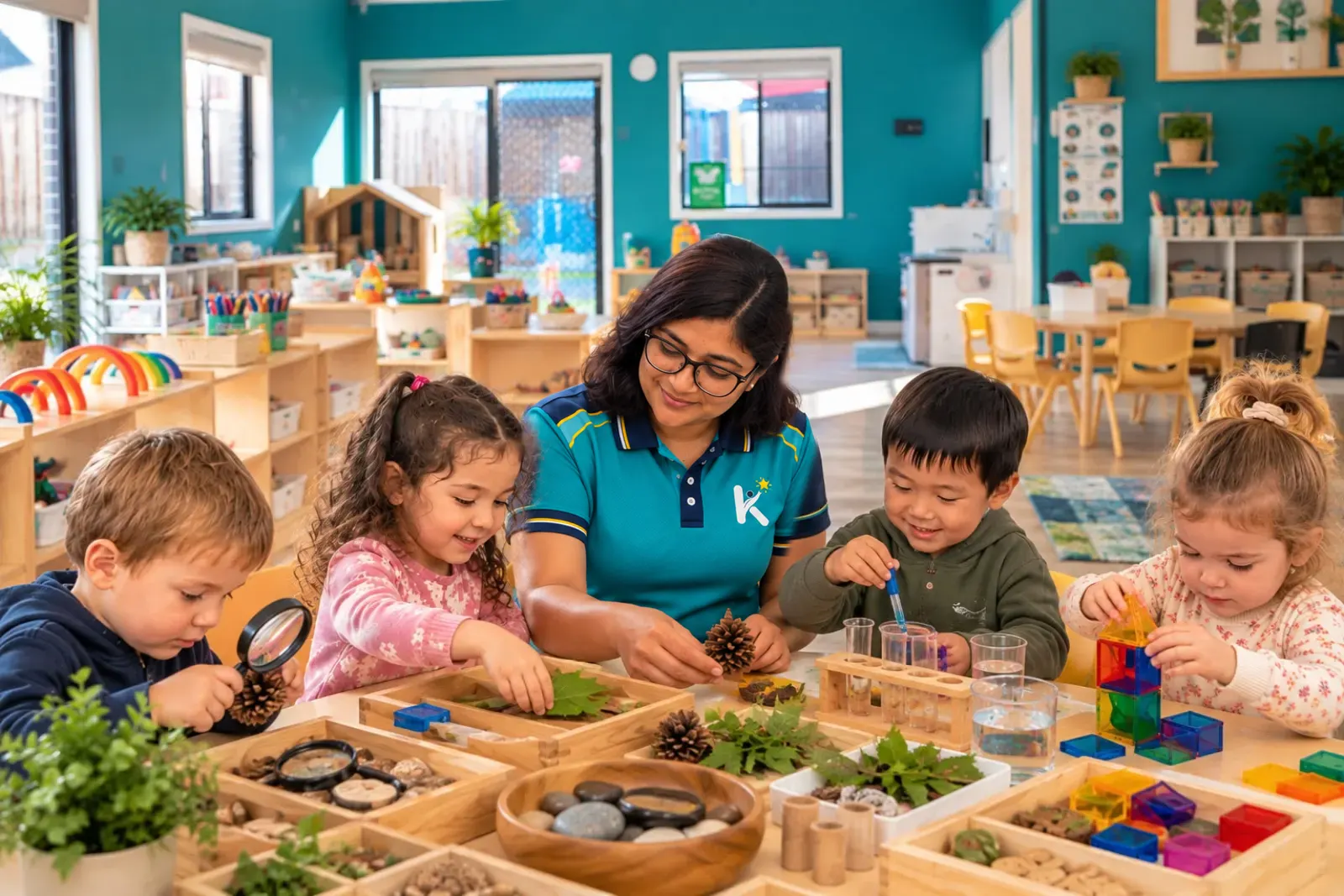
We believe children learn best when they are actively involved, interested and enjoying what they do. Our educational program is guided by the Early Years Learning Framework (EYLF V2.0) and combines play-based learning with intentional teaching to support each child’s individual development, interests and strengths.
Through hands-on experiences, exploration, creativity, conversations and meaningful play, children are supported to develop:
Communication and language
Social and emotional skills
Creativity and imagination
Problem-solving and critical thinking
Independence and confidence
Early literacy and numeracy
Physical development and wellbeing
Our qualified educators and Early Childhood Teachers observe children’s interests and learning, then thoughtfully extend these through purposeful experiences and environments.
When children are engaged in meaningful play, they are building the foundations for lifelong learning.
What is play-based learning?
Children learn by doing — building, pretending, exploring, talking and creating. Play gives them real reasons to solve problems, try new words and work with others, at their own pace.
What is intentional teaching?
Educators plan with purpose. They notice what each child is interested in and ready to learn, then add a question, idea or experience that takes their learning further.
Explorers to Challengers
Our Learning Environments
Every stage of early childhood brings new discoveries. Our environments are designed to support each child’s development, interests and growing independence through meaningful relationships, play and purposeful learning.
Explorers | 0–18 months
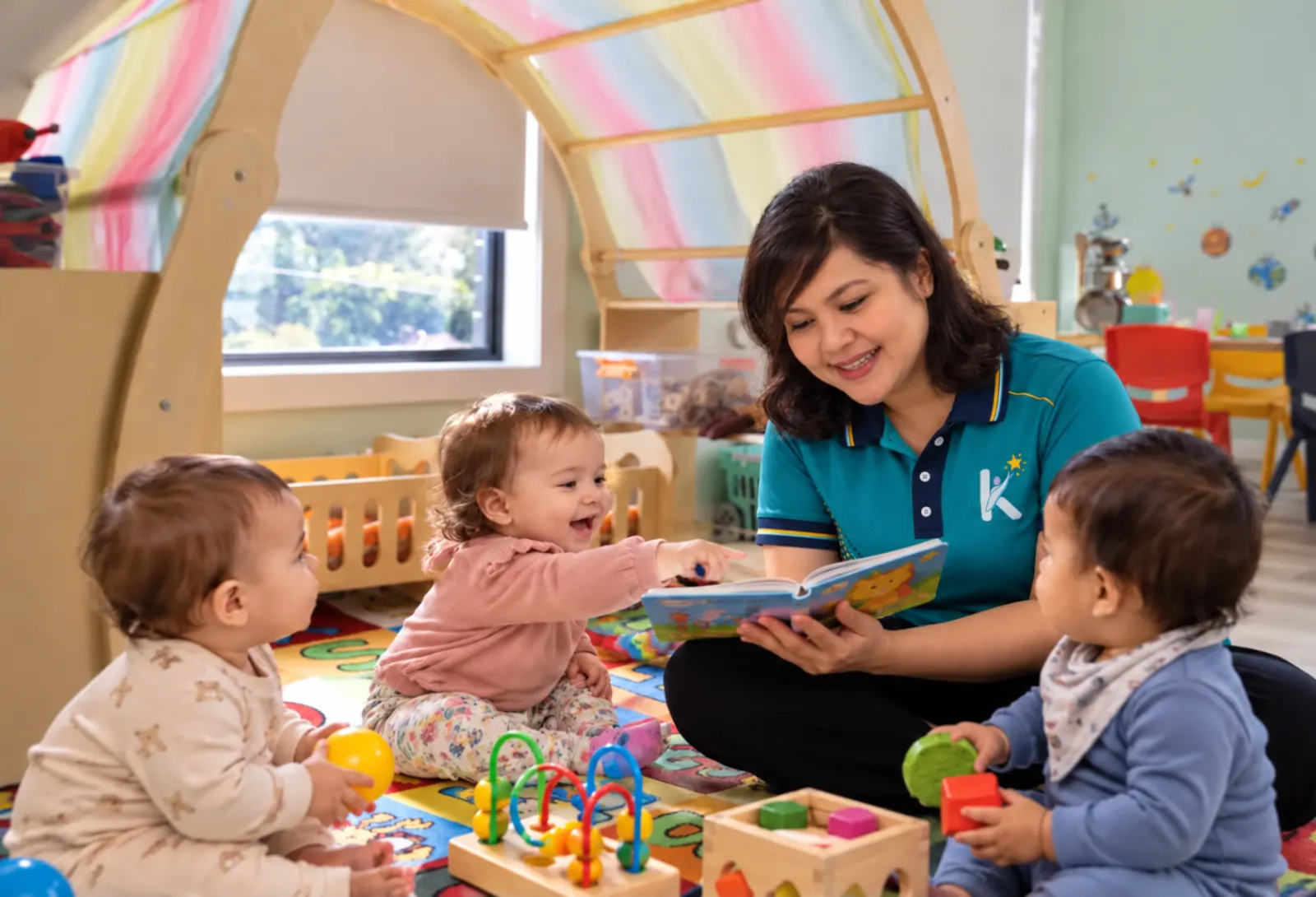
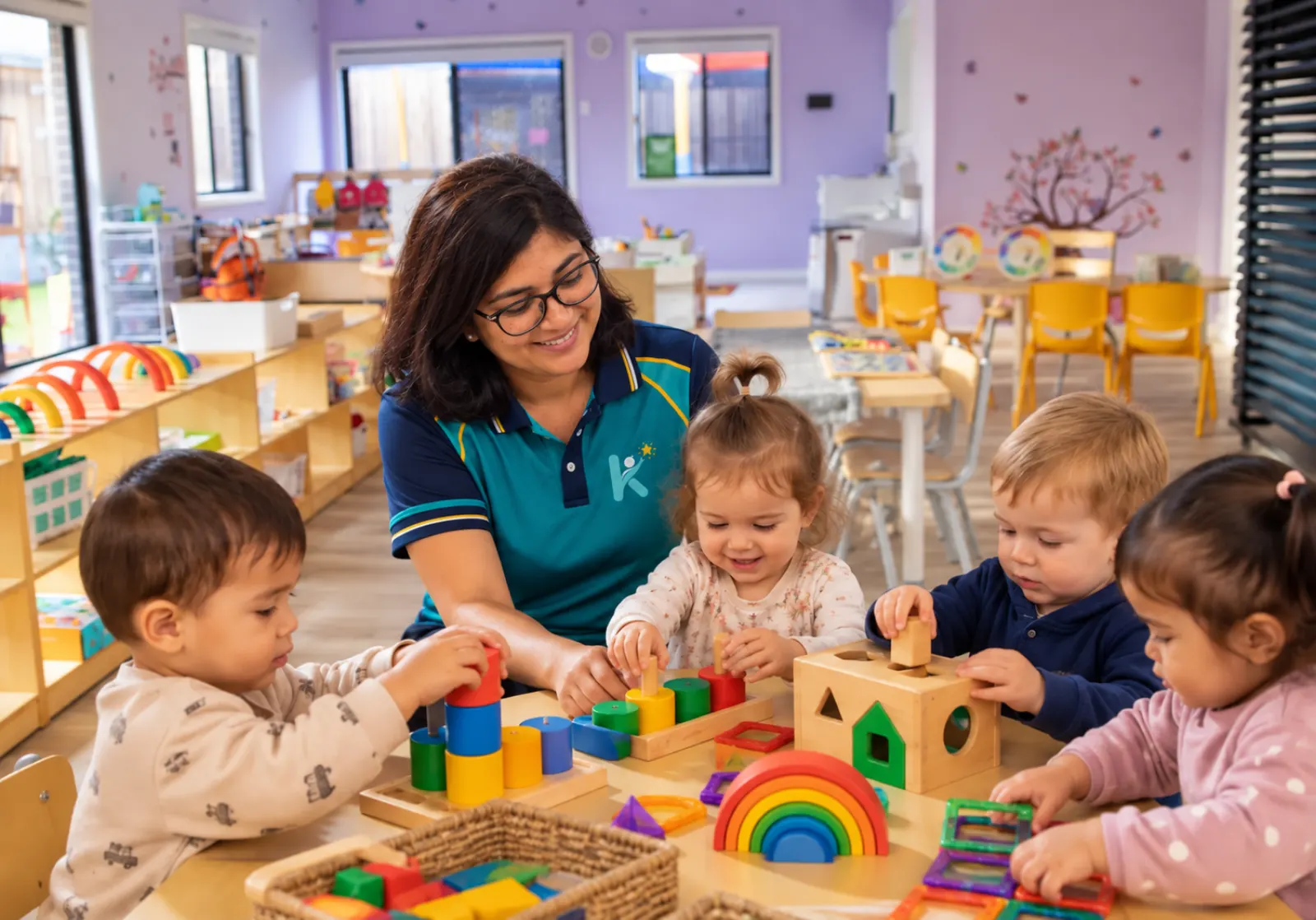
Our Explorers environment offers a calm, nurturing and responsive introduction to early learning. With a small group of up to eight children, educators can build trusted relationships, respond to individual routines and provide meaningful opportunities for sensory discovery, movement and play.
Our Innovators are busy discovering their independence, language and the world around them. This environment encourages exploration, creativity, movement and social connection, with educators supporting children’s growing confidence, communication and emerging interests.
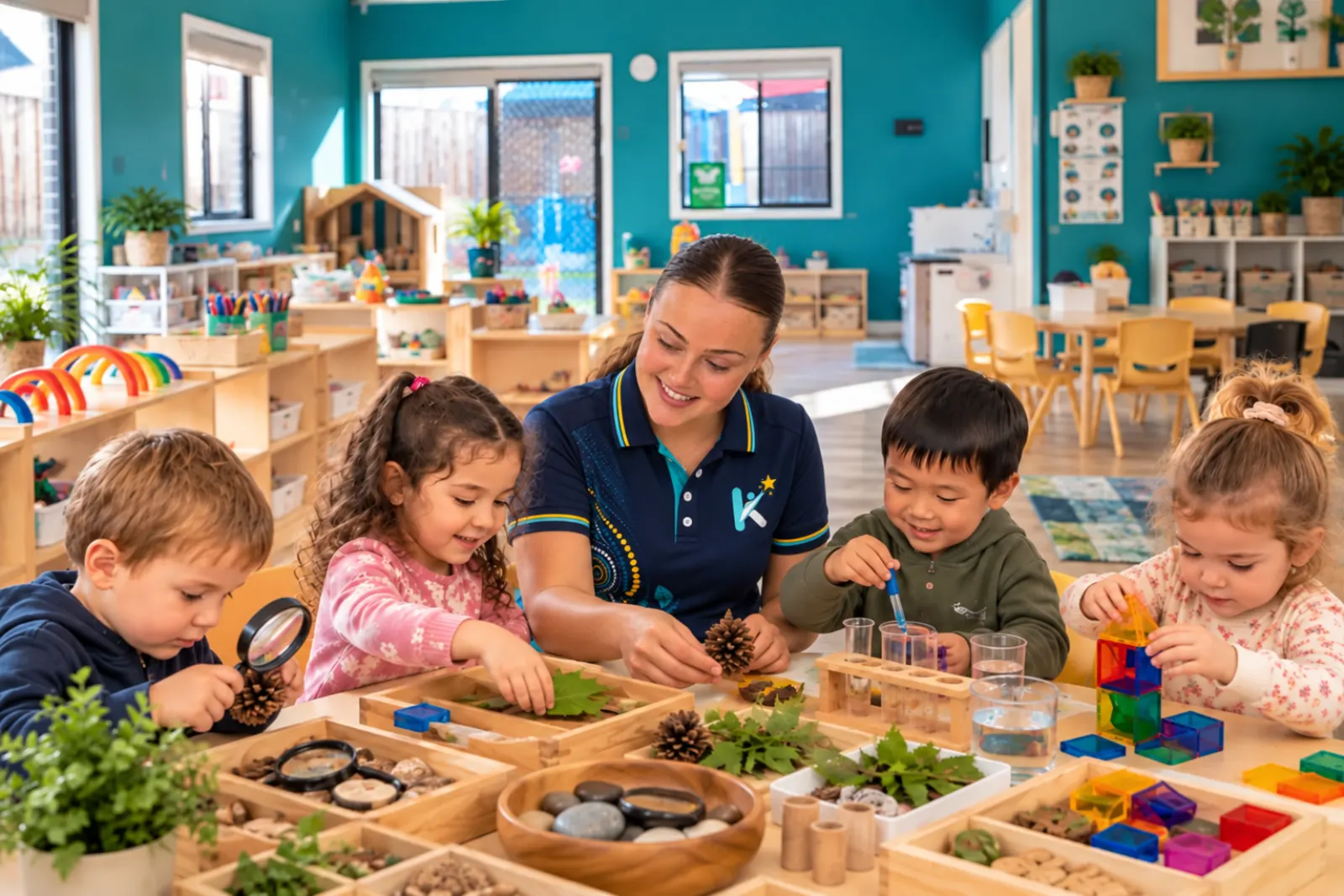
Our Experimenters are encouraged to ask questions, investigate, create and discover through hands-on, play-based learning. Children build friendships, independence, communication and problem-solving skills through experiences that extend their curiosity.
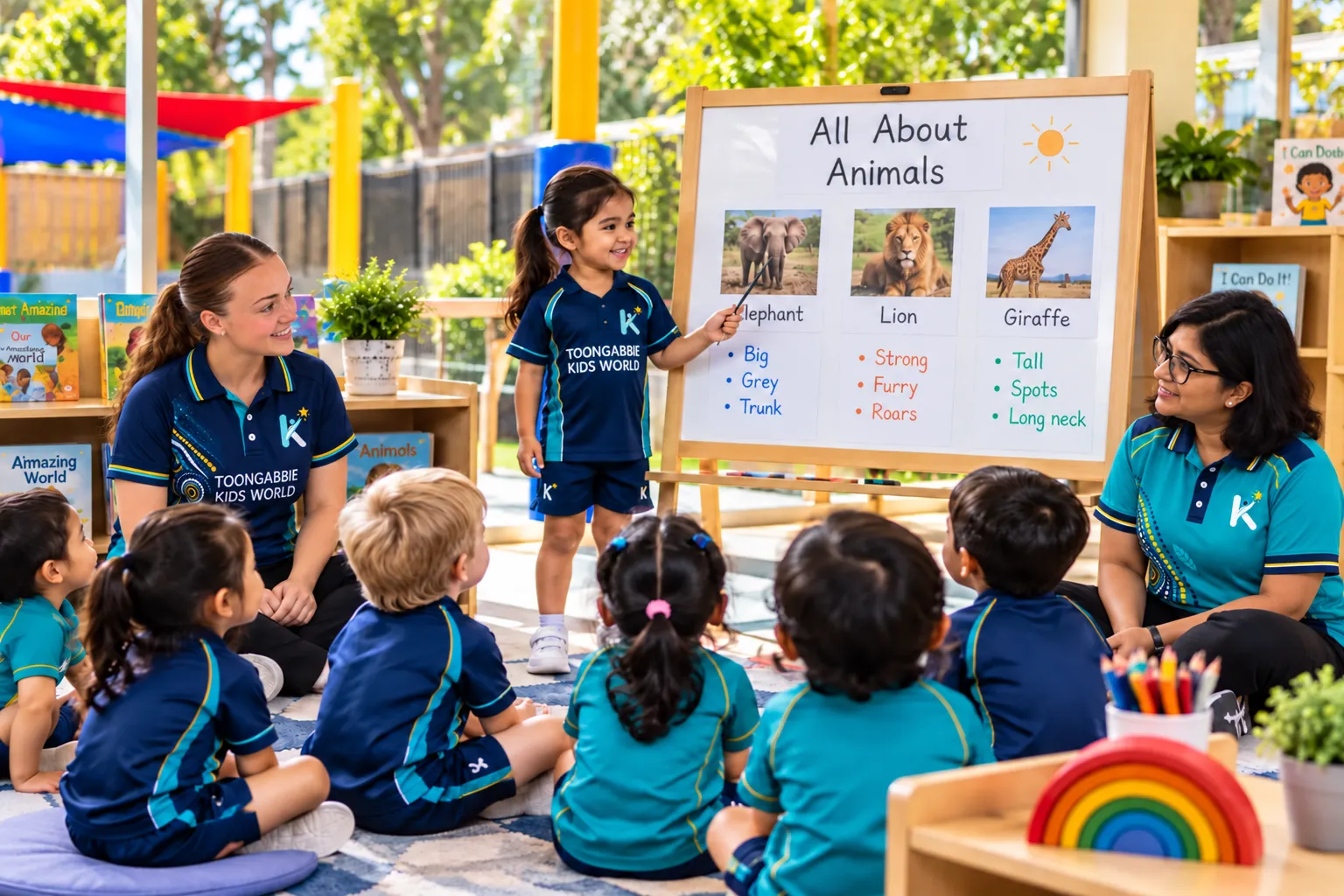
Our Challengers environment supports children as they prepare for the transition to school. Through our School Readiness Program, children are encouraged to build confidence and independence, collaborate with others, take responsibility and develop a lasting love of learning.
The Early Years Learning Framework (EYLF) is Australia’s national framework for early childhood education. It guides how educators support children’s learning and development from birth to five years and through the transition to school. The current version, V2.0, was released in 2022. It describes five learning outcomes for every child:
Outcome 1
A strong sense of identity
Feeling safe, secure and proud of who they are.
Outcome 2
Connected with their world
Belonging to groups and communities, and caring for others and the environment.
Outcome 3
A strong sense of wellbeing
Healthy, happy and learning to manage feelings.
Outcome 4
Confident, involved learners
Curious, willing to try, and able to solve problems.
Outcome 5
Effective communicators
Sharing ideas through talking, listening, drawing, early reading and writing.
Visit us
Come and See TKW for Yourself
Choosing an early learning centre is an important decision. We would love to welcome you, show you around and answer your questions.